
Kitchari— a Yogis Delicious, Nutritious Ayurvedic Staple (Recipe Inside!)
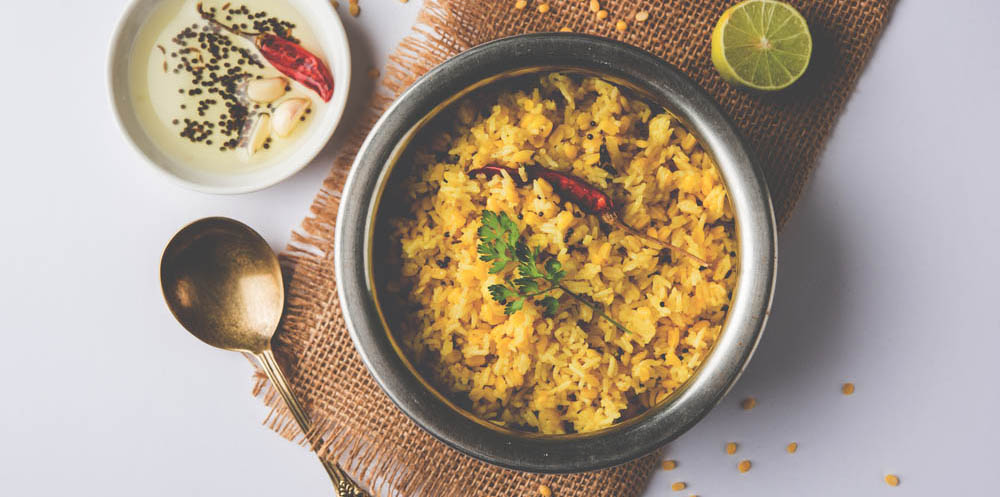
With countless names such as Kitchadi, Khichdi, or Kitcharee—Kitchari is an ancient and traditional Ayurvedic recipe and a delicious staple of any yogis diet.
Kitchari means “mixture,” usually of two grains— basmati rice and yellow split mung beans with many flavorful, nutritious and healing spices, herbs, vegetables and oils making it not only a delicious whole food, but a diverse medicine known to heal the body of many ailments.
This easy, quick to make, and delicious one-pot food is a great meal on its own, or as an essential part of an Ayurvedic cleansing regimen to heal the gut, eliminate natural toxins and balance all three doshas.
Used by spiritual seekers to provide the essential nourishment to the body while keeping the mind calm and still which is needed for yogis in deep spiritual practice (sadhana), kitchari is known as the “yogis superfood” and will take the health of both your body and mind to the next level of health and Shanti.
THE GREATNESS OF KITCHARI
- Easy to digest:
Yellow split mung beans are considered an ayurvedic superfood and one of the easiest legumes for the body to digest and do not produce gas. Digestion takes a lot of physical energy! Food that is quick to digest and easier to assimilate helps the body to focus its energy reserves on other tasks such as immunity, repairing tissues, balancing hormones and more.
- A great rejuvenator:
Kitchari gives strength and vitality to the body by nourishing and rejuvenating all seven tissues of the body (Sapta Dhatus). An excellent meal choice during times of stress on the body such as during an illness, periods of stress, overwork, after traveling or a change of seasons.
- A balanced and whole food (especially great for vegetarians!):
Nutrient-dense and a complete protein, kitchari provides all essential amino acids that keep you feeling light and clear yet grounded and full of energy.
- Excellent for all 3 doshas:
Kitchari is considered tridoshic, meaning it can be deliciously prepared and suitable for all Ayurvedic mind-body types.
- An excellent “digestive reset”:
To give your body a break after periods of stress, transition, overeating or overindulgence eating kitchari for 1-2 meals in a row can easily give the system a break and reset digestion.
- A staple in an Ayurvedic cleansing regimen:
With cleansing, anti-inflammatory and rejuvenating herbs, a few consecutive days of a kitchari mono-diet (as advised by your Ayurvedic practitioner,) is a great method of Ayurvedic cleansing to enkindle the digestive fire (agni), eliminated toxins (ama) and build energy and vitality (ojas).
- Mind medicine—a highly Sattvic meal:
Sattvic foods like basmati rice and yellow split mung beans make the mind calm, peaceful and content.
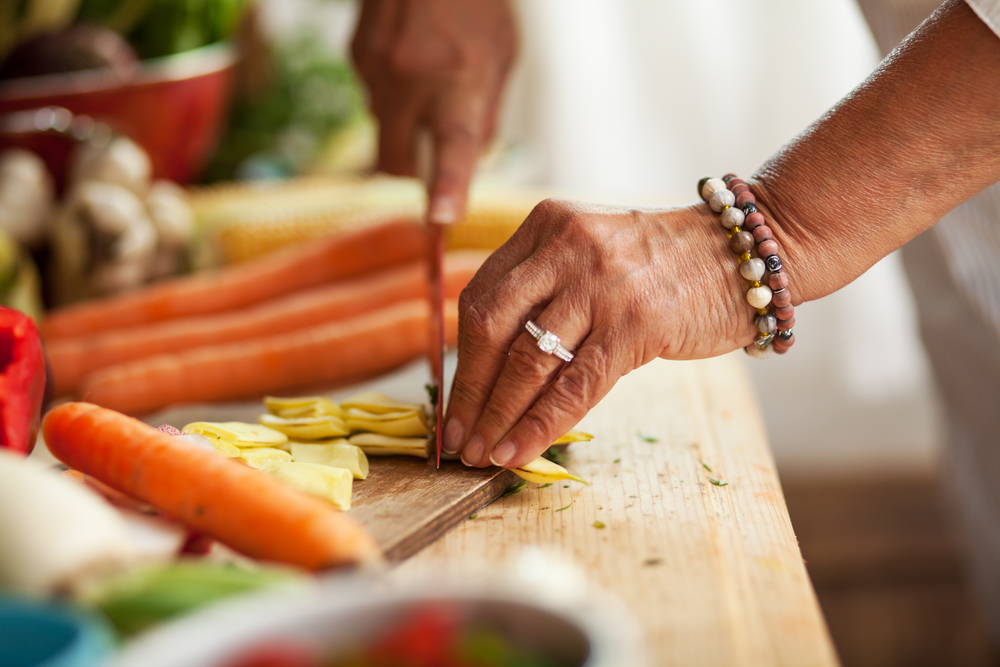
KITCHARI INGREDIENTS
- 1 cup basmati rice
- 1 cup yellow split mung beans (mung dal)
- 6 cups (approx.) water
- 2 tsp. ghee or coconut oil
- 1/2 tsp. mustard seeds
- 1/2 tsp. whole cumin seeds
- 1/2 – 1inch ginger root or ½ tsp dried ginger powder
- 1/2 tsp. fresh turmeric root or powder
- 1/2 tsp. coriander powder
- 1/2 tsp. cumin powder
- 1/2 tsp. himalayan or sea salt
- 1/4 tsp. freshly crushed black pepper
- 1 pinch asafoetida (hing) (optional)
- 10-15 curry leaves (optional)
- 1 ½ cups assorted vegetables (see below)
- Garnish & season with fresh cilantro leaves or fresh squeezed lemon or lime juice (optional)
KITCHARI PREPARATION
- Soak the basmati rice and yellow split mung beans together overnight for maximum digestibility, or a minimum 30 min before cooking. Rinse well until water runs clear then drain excess water.
- Prepare and finely chop all vegetables (keep separate for now) and place aside.
- Add ghee (or coconut oil) into a pre-heated large pot. On low heat, add mustard seeds. When mustard seeds start to pop, add whole cumin seeds to release the flavors. After 1-2 minutes, add ginger, curry leaves, turmeric, cumin and coriander powders, salt and optionally, asafoetida.
- Add the rinsed and drained yellow split mung beans and basmati rice into the mixture stir well to coat with the spices.
- Add water and chopped vegetables. Bring to a boil for 10 minutes, then reduce heat to low, put the lid on the pot and cook for 20-30 minutes until rice and dhal become soft.
Tip: To cook the vegetables evenly, add the most-dense (longest cooking time) vegetables such as carrot, sweet potato or green beans first. After 5 minutes add any medium density vegetables (such as broccoli, cauliflower, zucchini etc.) and after 5-10 minutes more, add the lightest, softest vegetables such as chopped kale, spinach, mustard greens etc. - Remove from heat, garnish with balancing herbs, flavors or spices for your dosha (see below) such as fresh cilantro, shredded coconut, lemon or lime juice, salt and pepper to taste, etc. and serve warm.
- Enjoy your healthy, nutritious and delicious kitchari!
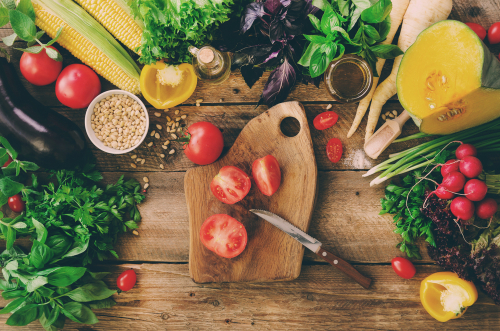
MODIFY KITCHARI FOR YOUR MIND BODY-TYPE (DOSHA)
While the main ingredients of kitchari are considered balancing for all doshas, some small modifications of the spices, vegetables and flavorings can be used to make your recipe even more beneficial and medicinal for your unique dosha type.
- For Vata: Favor the sweet, sour and salty tastes and include grounding, warming, and nourishing vegetables such as carrot, sweet potato, squash, pumpkin, green beans, asparagus and mustard greens.
Use a generous amount of ghee to add more nourishment and add a big squeeze of lemon and salt to taste to boost digestion and reduce gas. - For Pitta: Favor the sweet, bitter and astringent tastes and add cooling, soothing and nourishing vegetables such as zucchini, green beans, asparagus, spinach, kale, squash, sweet potato, cauliflower, broccoli, celery, pumpkin etc.
Use fresh ginger instead of dried, omit the hing and swap the heating mustard seeds and black pepper for cooling fennel seed and add some shredded coconut, cilantro or fresh mint leaves as a garnish for a more soothing effect on the body. Use salt and black pepper sparingly and if a sour taste is desired, use a small squeeze of lime juice instead of lemon. - For Kapha: Favor the pungent (spicy), astringent and bitter tastes. Use a higher vegetable to grain/dhal ratio to reduce heaviness after eating. Cook with lighter, more purifying vegetables such as asparagus, broccoli, cauliflower, brussel sprouts, cabbage, carrots, celery, chilies, corn, mustard greens, watercress, zucchini.
Use ghee and salt sparingly for a lighter kitchari and add a pinch of cinnamon, clove and use black pepper generously for an added digestive and metabolic boost!
KITCHARI TIPS & TRICKS
- Choose organic ingredients if possible and whole herbs (vs pre-crushed or powdered) for maximum freshness, flavor and medicinal value.
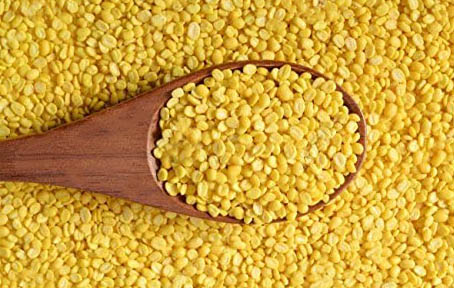
- Be sure to use yellow split mung beans versus the whole mung beans (which are green) or yellow split peas (which are different) and much more difficult for digestion and have a much longer cooking time.
- While Ayurveda recommends cooking and eating food fresh, to meet the needs of a busy modern-day life, a big one pot batch of kitchari can be made in the morning, refrigerated and reheated to last for the three meals throughout the day as part of a cleansing regimen.
- A kitchari mono-diet while healthy and nutritious, may be low in fiber if taken long term. If while taking kitchari exclusively as part of a cleansing regimen constipation occurs, add oat bran or prune with your meals to ensure proper elimination.
READY FOR AN AT HOME AYURVEDIC CLEANSE?
Ayurveda is a very holistic and individualized approach to health and healing. Regular cleansing routines are essential for support your digestion, eliminating natural toxins that build up through less than ideal diet, lifestyle factors, environmental pollutants and stressors.
To learn more about how to use kitchari as part of an Ayurvedic cleansing regimen, or for support and personalized guidance to help you improve your health and happiness, check out our Ayurvedic Lifestyle Consultation where we’ll set you up with a personalized cleansing program.
May you enjoy this nourishing, balancing and delicious kitchari recipe. May it bring you balance, health and delight!
Comments
0 comments on
Kitchari— a Yogis Delicious, Nutritious Ayurvedic Staple (Recipe Inside!)